Toronto crime novelist Mel Bradshaw authored the Paul Shenstone Roaring Twenties series and three gripping standalones. Crime Writers of Canada member.
Author Interview
You’ve written mostly historical novels. Tell us a little about your own family history.
Mel Bradshaw (Sr.) and Ruth Harris, my parents, were married in April 1926. The Bradshaws came to Toronto from Manchester, England in the late nineteenth century. Some eighty years earlier, the first Harris in my family tree arrived in Ingersoll, Ontario from Connecticut.
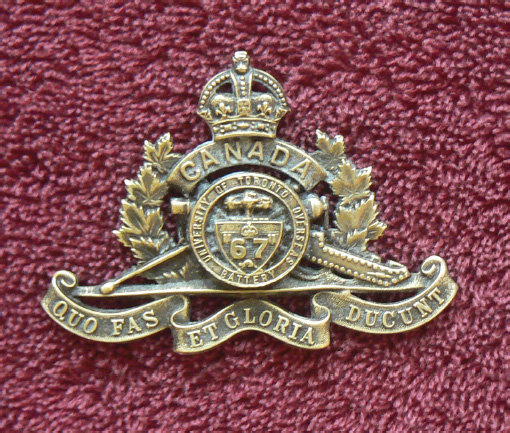
I was born in 1947 in Toronto, the youngest of three brothers. My father was forty-eight at the time. Having a dad that had seen action as a soldier in World War I gave me a more distant glimpse into the past than that enjoyed by most of my contemporaries.

Any other fiction writers in the family?
None. My father and his father were employed in business and finance. The Harris men were farmers, preachers, and/or developers of farm machinery. Except for my grandfather’s cousin Lawren, the painter.
Where did your impulse to write come from?
A love of stories. My family were all readers, of mysteries especially. The first adult fiction I read for pleasure was by Edgar Allan Poe and Arthur Conan Doyle.
What other careers have you had or contemplated?
At university I wrote movie reviews for the student newspaper, and I guess I considered writing film criticism for a living — which would have been another way of indulging my love of fiction.
And then, after graduation, I went to Thailand with the volunteer agency CUSO to teach English as a foreign language. I found that very satisfying and continued teaching off and on after returning to Canada.
Where do you get the ideas for your stories?
Different places. Let’s take as an example my latest novel, The Shadow Decade. In the 1950s, the decade in which I did most of my growing up, I knew a fair amount about what cowboy series were on TV, but nothing about the real-life shootouts going on in all corners of the world. Looking back recently, I thought it high time I found out. I discovered there is still very little Canadian Korean War fiction, very little Canadian fiction about the 1954 coup in Guatemala or the Algerian War. So I thought there was room for a book of mine.

How important is research to a fiction writer?
To this writer — very. Writers that don’t respect facts may honestly believe that the truth doesn’t make a good enough story. But my experience is just the opposite. I find that prickly, awkward truths make the best stories.
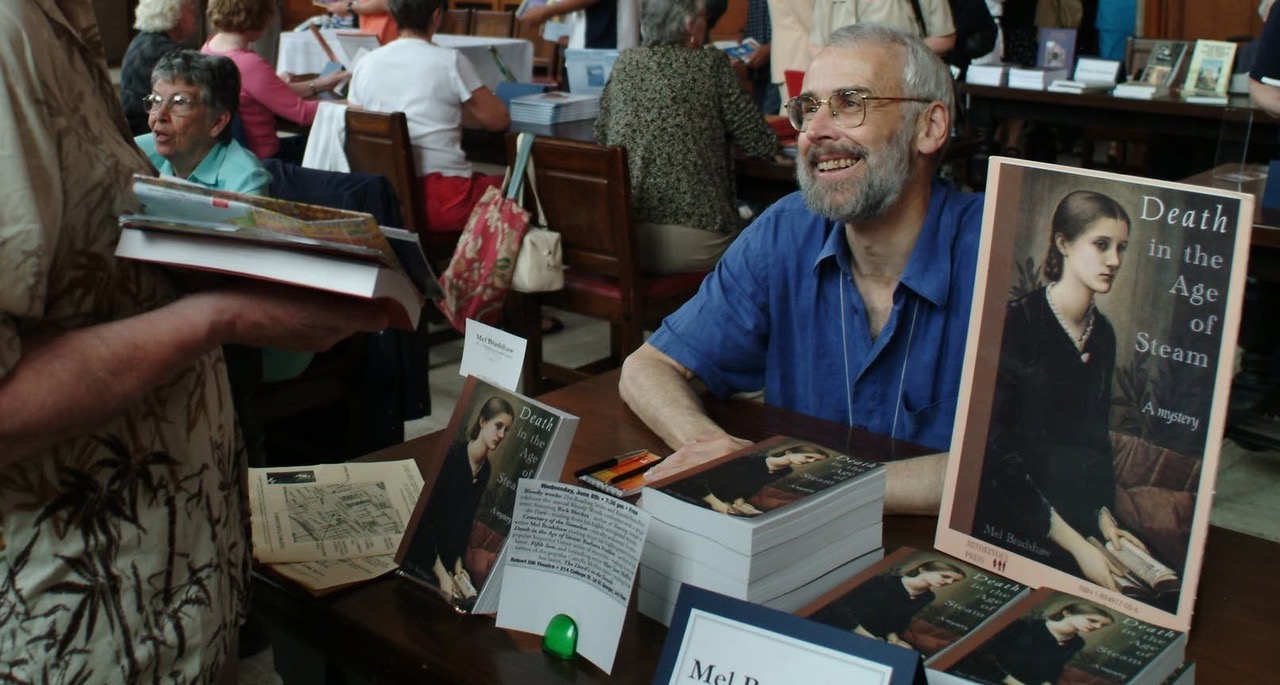
I had to rewrite a lot of my first novel when I discovered who was eligible to testify in a court of law in 1856. And Death in the Age of Steam is much the better for it, much better grounded in its period.
Your first three novels were all set in different time periods. What made you decide to return in your fourth and fifth books, Fire on the Runway and Winner’s Loss, to the milieu and characters of Quarrel with the Foe?
I realized that my interest in the 1920s hadn’t been exhausted with just one book. I wasn’t attracted to the idea of writing a series per se, but the plot of Fire on the Runway is so different from that of Quarrel with the Foe that I thought there was no risk of monotony or repetition. The earlier book is the closest I’ve ever written to a classic whodunit, and I hope readers won’t solve the puzzle too early. Fire on the Runway has mystery elements, but is largely a spy story.
And Winner’s Loss?
Well, I realized that I’d written two novels set in ’twenties Canada without taking account of the decade’s extraordinary flowering of Canadian painting and sculpture. Some of it by immigrants who were not always appreciated.
What would you tell a person that wanted to write fiction?
Read lots. Don’t be afraid of being influenced. Write for love. You want readers, but don’t count on riches. And remember: no one is qualified to tell you the extent of your talent. No one — yourself included — knows what you’re capable of till you do it.
Mel Bradshaw is also interviewed on crime novelist Rosemary McCracken’s blog Moving Target. Topics covered include writing rituals and how to deal with editors.